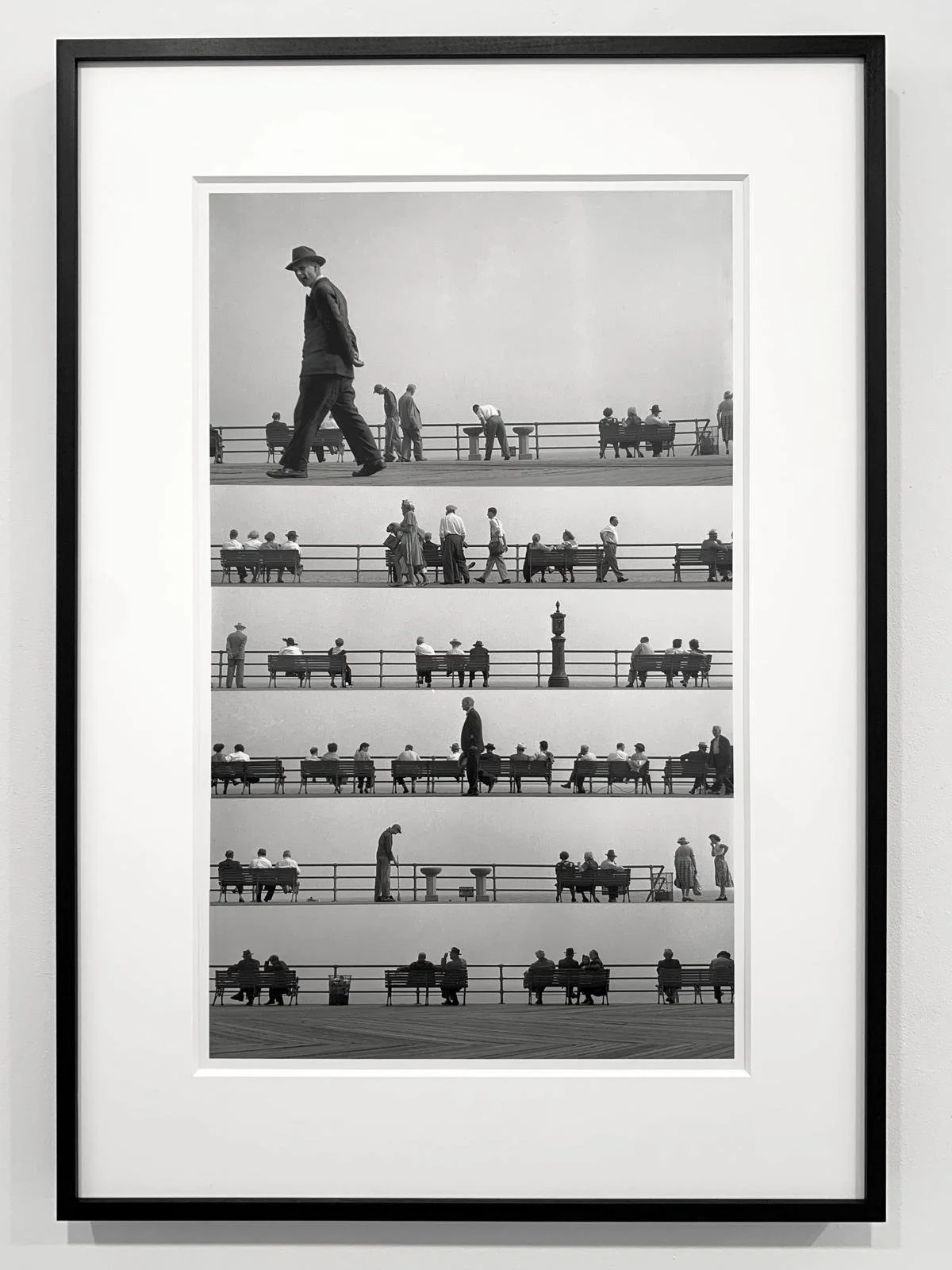
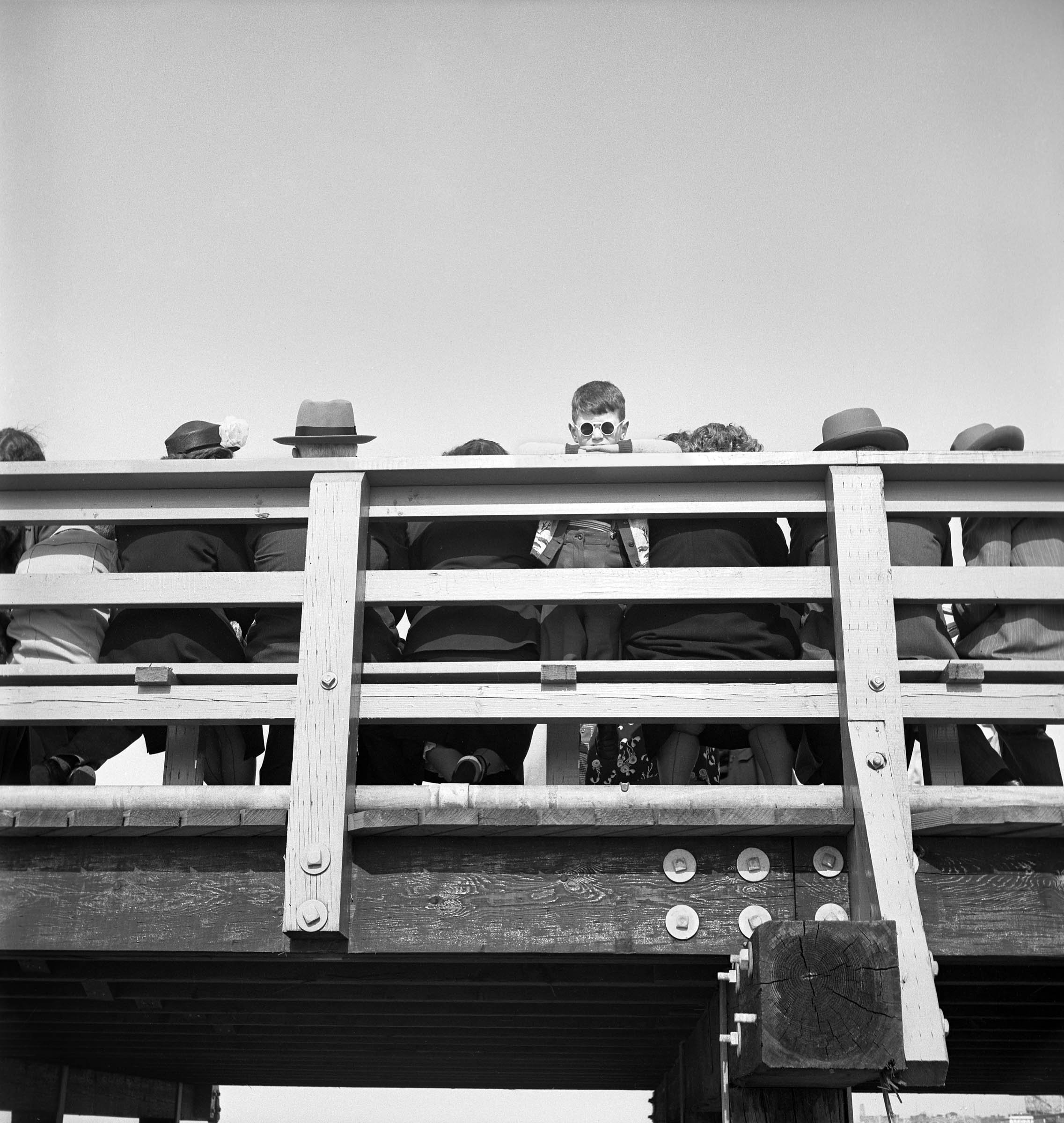
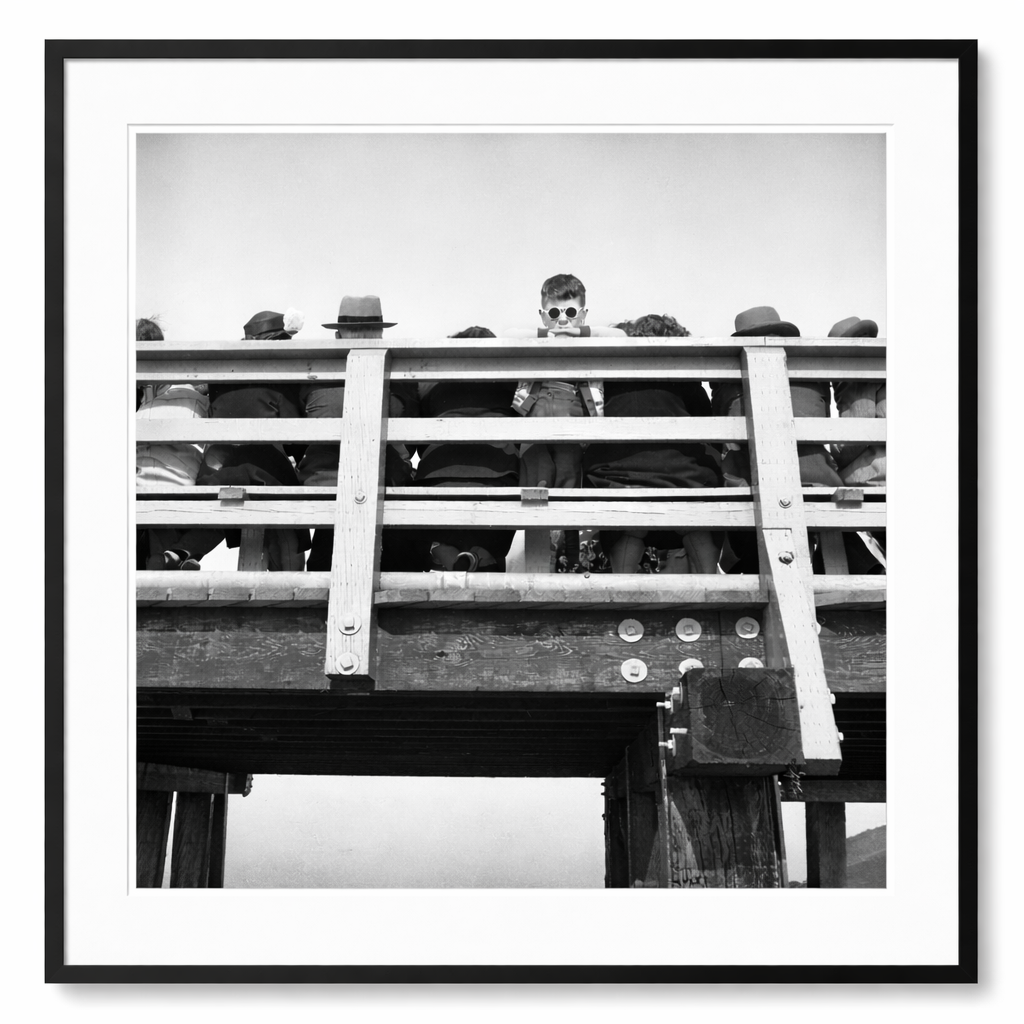
Harold Feinstein, Beach Montage, 1987
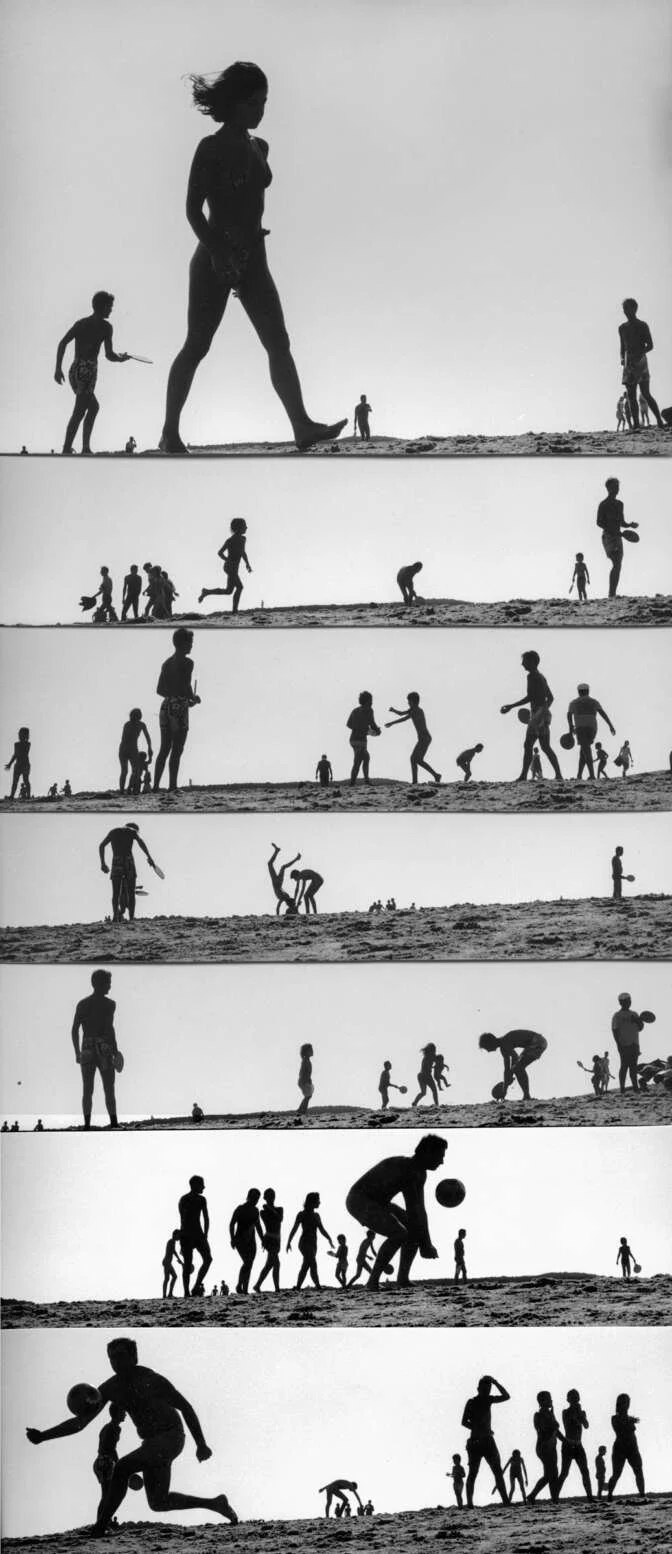
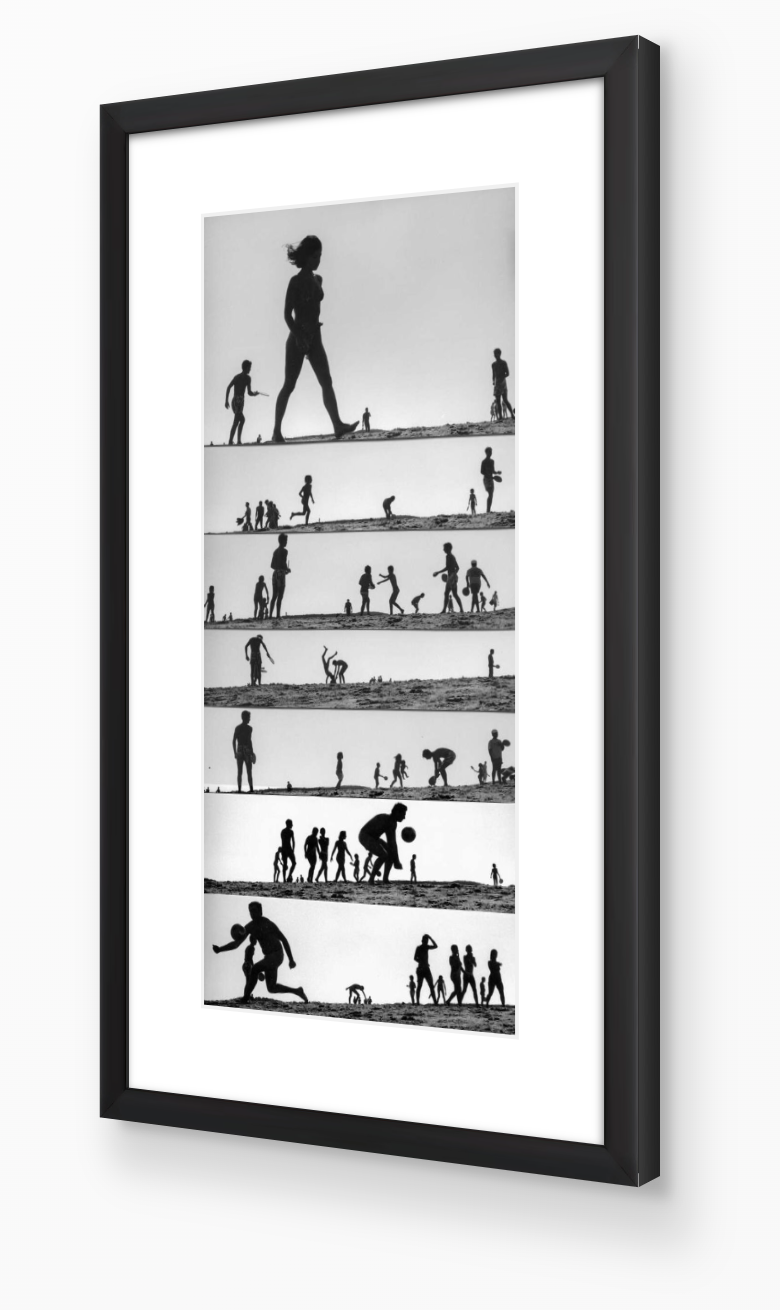
Harold Feinstein, Beach Montage, 1987
Harold Feinstein
Beach Montage, 1987
Silver Gelatin Print Estate Print
Printed to order
20 x 24 inches
Edition of 15
This is only the third estate print ever to be released by the Harold Feinstein Trust. It is a limited, tiered edition of 15. Prices go up as the edition sells out. It is stamped and numbered by the estate.
Editions 1-5: £2,700
Editions 6-10: £3,850
Editions 11 - 12: £5,400
Editions 13 - 14: £6,900
Edition 15: £8,500
Why This Image
The question of who decides what becomes an estate print is one that has long been debated within the photography world. Critic A.D. Coleman has argued that estate printing should never be about later tastes or curatorial preference, but about honoring the artist’s own intentions. In the case of Harold Feinstein, that question is unusually clear. Feinstein was deeply involved with his archive throughout his life. He reviewed contact sheets obsessively, circled images he loved, and spoke openly about which photographs mattered to him—and why. The images selected for estate prints are ones he had already printed himself, either as vintage or later prints and that have almost completely sold out.
This photograph belongs to that lineage. It was not chosen retrospectively, nor extracted as a “favorite” from a vast archive. It sits squarely within Feinstein’s own understanding of his work, and reflected the emotional clarity he valued above all else. Estate prints, by their nature, must be released with restraint. Feinstein’s archive is abundant; the temptation to publish widely is real. But fidelity to the artist demands the opposite: careful selection, limited editions, and a commitment to presenting only the strongest, most representative images, which is why this is only the second estate print we have released.
Beach Volleyball Montage, 1987
Created in 1987 during Harold Feinstein’s time in Paros, Greece, Beach Volleyball Montage belongs to a body of work in which Feinstein revisited a technique he had been refining since the early 1950s: the photographic montage. Working long before the advent of digital tools, Feinstein constructed his montages entirely in the darkroom, sequencing individual frames into cohesive visual rhythms. The process was intuitive yet exacting—guided by timing, gesture, and an acute sensitivity to light. In this image, backlit figures are arranged across the frame to create a continuous sense of movement, transforming an ordinary beach scene into something closer to visual music.
Montage, for Feinstein, was never about spectacle. It was a way of extending lived experience—of slowing time, repeating moments, and emphasizing emotional continuity over strict narrative. Beach Volleyball Montage reflects this philosophy clearly: a study of bodies in motion, communal leisure, and the fleeting choreography of everyday life. While Feinstein is best known for his mid-century Coney Island work, this later montage demonstrates the continuity of his vision. Decades apart, the same concerns persist: human connection, rhythm, and joy rendered with formal precision. This image stands as a mature expression of Feinstein’s montage practice—rooted in his early innovations, yet fully of its moment. You can read more about this image, and our discovery of it on The Harold Feintsein Trust’s website.
Delivery will take 4 to 6 weeks.