Harold Feinstein, Boy with Sunglasses, 1950
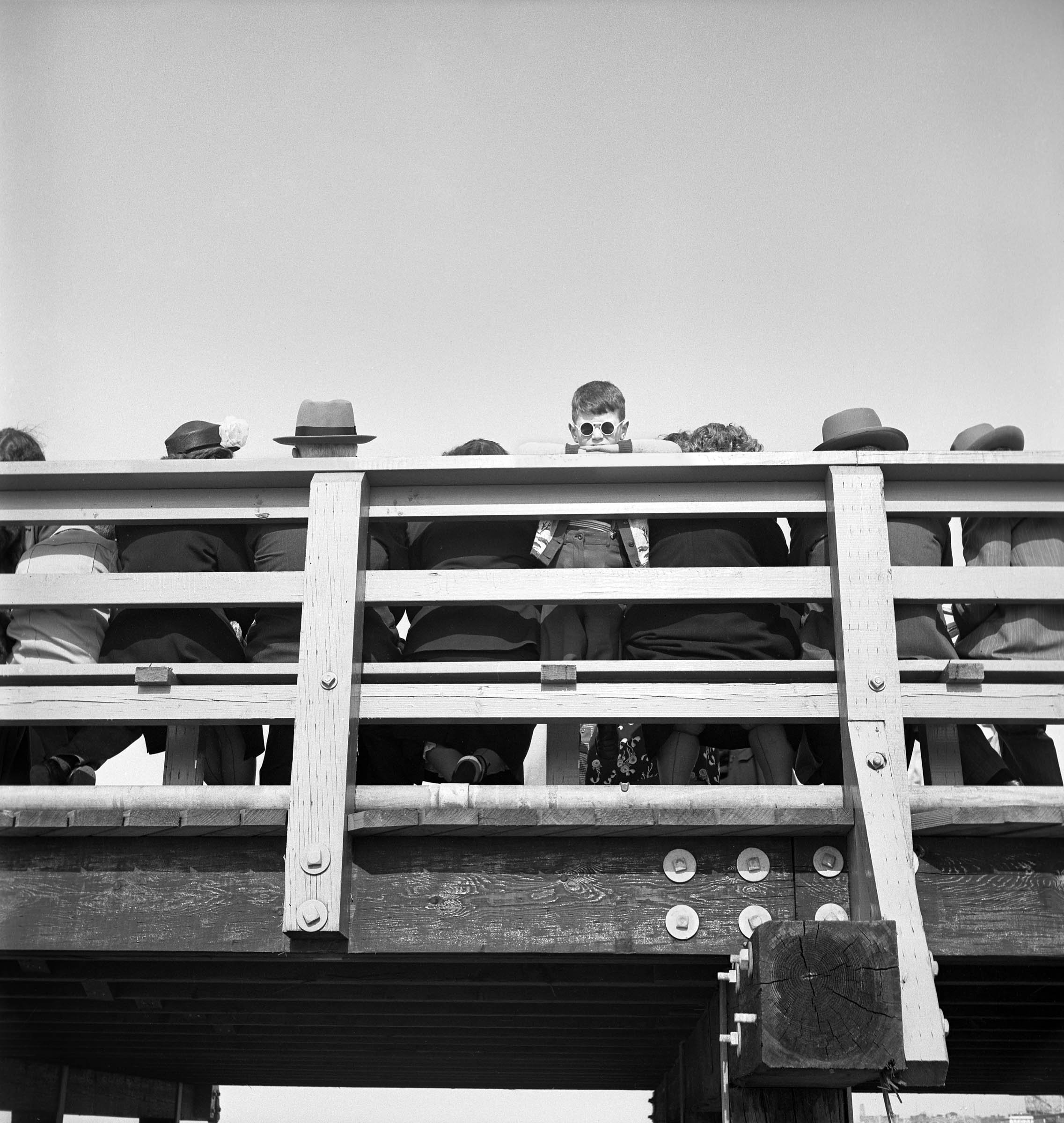
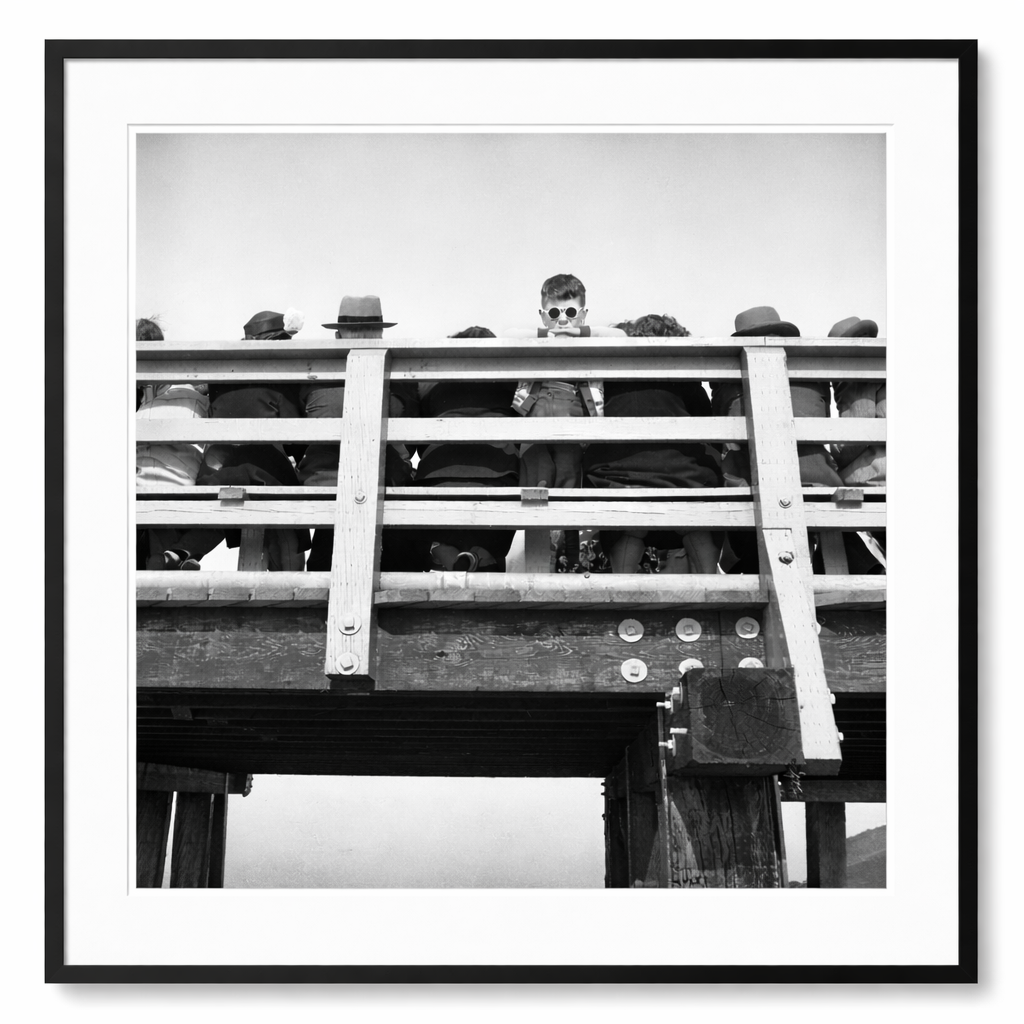
Harold Feinstein, Boy with Sunglasses, 1950
Harold Feinstein
Boy with Sunglasses, 1950
Silver Gelatin Print Estate Print
Printed to order
20 x 24 inches
Edition of 15
This is only the second estate print ever to be released by the Harold Feinstein Trust. It is a limited, tiered edition of 15. Prices go up as the edition sells out. It is stamped and numbered by the estate.
Editions 1-5: £2,700
Editions 6-10: £3,850
Editions 11 - 12: £5,400
Editions 13 - 14: £6,900
Edition 15: £8,500
Why This Image
The question of who decides what becomes an estate print is one that has long been debated within the photography world. Critic A.D. Coleman has argued that estate printing should never be about later tastes or curatorial preference, but about honoring the artist’s own intentions. In the case of Harold Feinstein, that question is unusually clear. Feinstein was deeply involved with his archive throughout his life. He reviewed contact sheets obsessively, circled images he loved, and spoke openly about which photographs mattered to him—and why. The images selected for this release are ones he had already printed himself, either as vintage or later prints and that have almost completely sold out.
This photograph belongs to that lineage. It was not chosen retrospectively, nor extracted as a “favorite” from a vast archive. It sits squarely within Feinstein’s own understanding of his work, and reflected the emotional clarity he valued above all else. Estate prints, by their nature, must be released with restraint. Feinstein’s archive is abundant; the temptation to publish widely is real. But fidelity to the artist demands the opposite: careful selection, limited editions, and a commitment to presenting only the strongest, most representative images, which is why this is only the second estate print we have released.
In 2013, Harold Feinstein wrote a blog post about his love for the Rolliflex camera. In it he said: “Someone once asked me what my favorite camera was. That’s easy. The Rolleiflex medium format TLR. In fact I would call it the most beautiful camera I’ve ever seen. It was relatively easy to use, light weight, extraordinarily well-constructed, simple and had the best lenses in the business. Everything worked again and again and again. Constant reliability, performance and excellence in a camera. I suppose the only objection some might have to it would be looking down into finder lens. But that never bothered me. As a medium format twin lens reflex with 2 1/4 x 2 1/4 (in) format, there are two lenses — the taking lens and the finder lens. You look down into the finder which is giving you a reverse image mirrored from the taking lens. You do see what you get with the exception of very close range photographs. Visually the square format is elegant and symmetrical, but also offers the option to crop either vertically or horizontally. And, the 2 1/4 film means generally better quality large prints than you can get with 35mm. The Rollei was the very first camera I ever used. Initially I borrowed it from our upstairs neighbor in Bensonhurst, who later made me rent it for $5 a day — an extraordinary amount of money for a 15 year old in 1946. But, I did get hooked on it and later was able to save my pennies and purchase my own.
I had the Rolleiflex Automat Model 3 which was produced between 1945-1949 and also known as the K4B2. It was available in two lens. I couldn’t afford the more expensive Zeiss Jena Tessar lens and instead used the Schneider Xenar lens, which I found just as good. I recently found Jacob Deschin’s book: Rollei Photography: Handbook of the Rolleiflex and Rolleicord Cameras (Camera Craft, 1952) in a box, which prompted these musings. I contributed two essays and a number of photos to it. Here are a few for you.”
Delivery will take 4-6 weeks
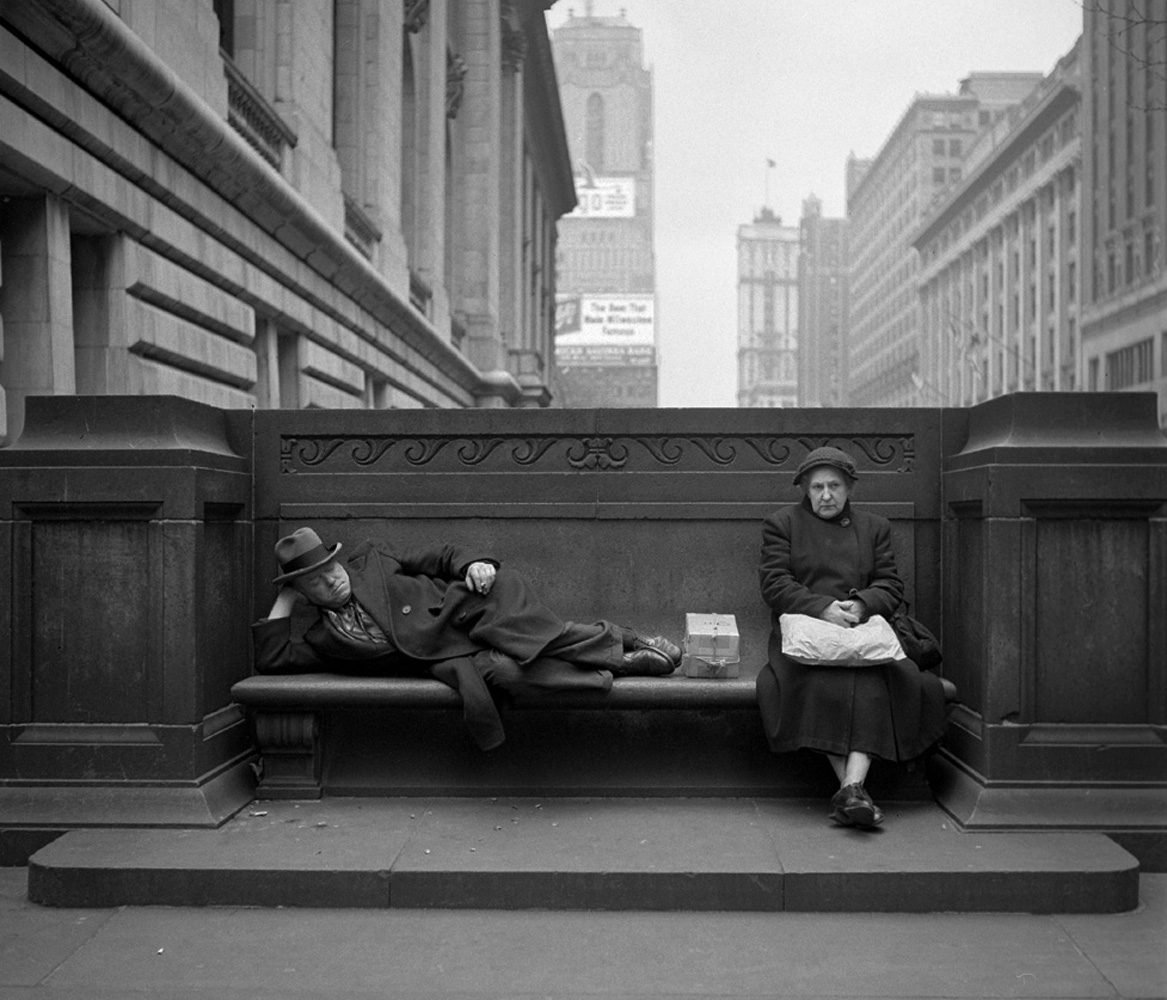
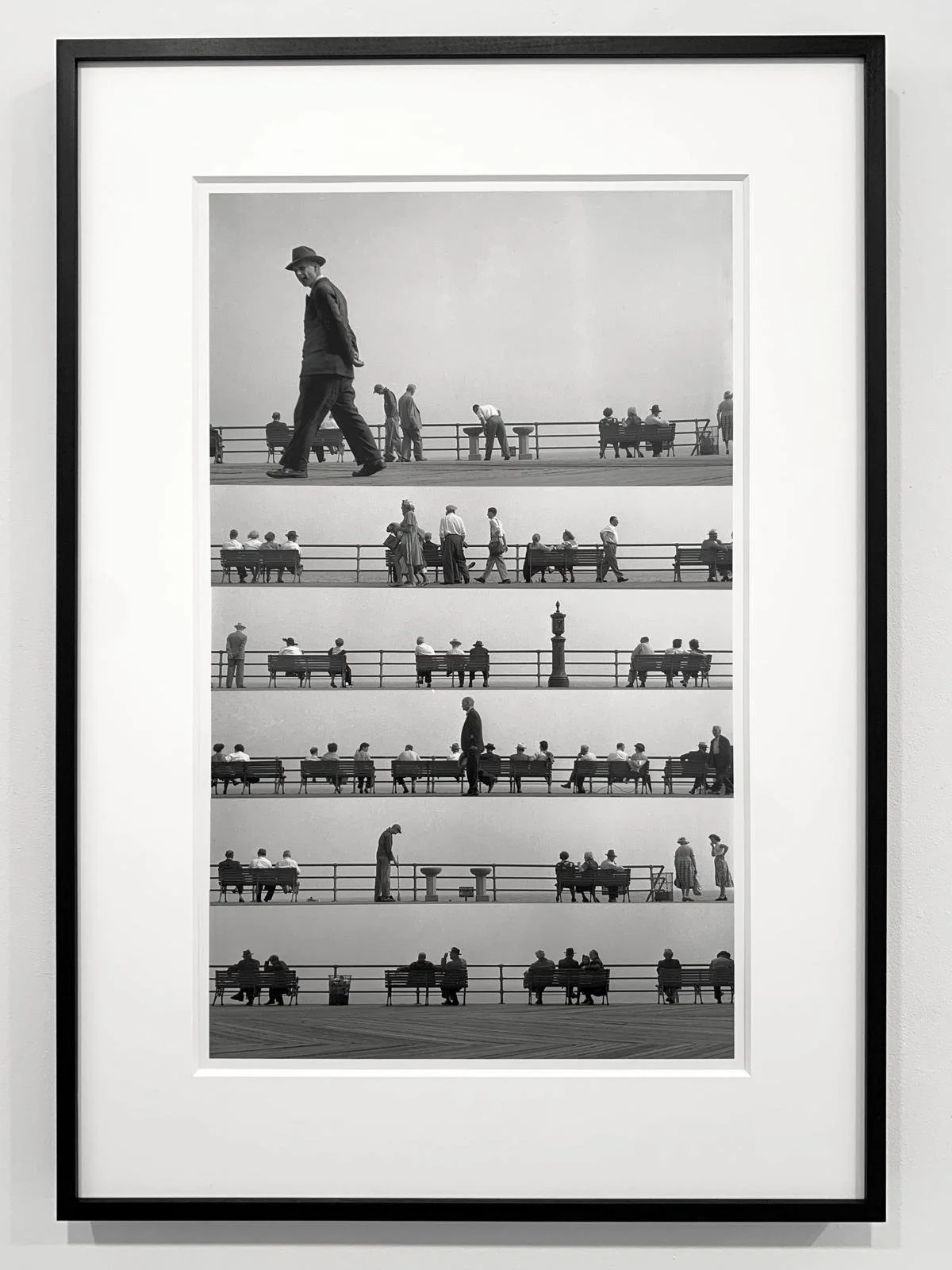
Sharing a public bench, NYC, 1948
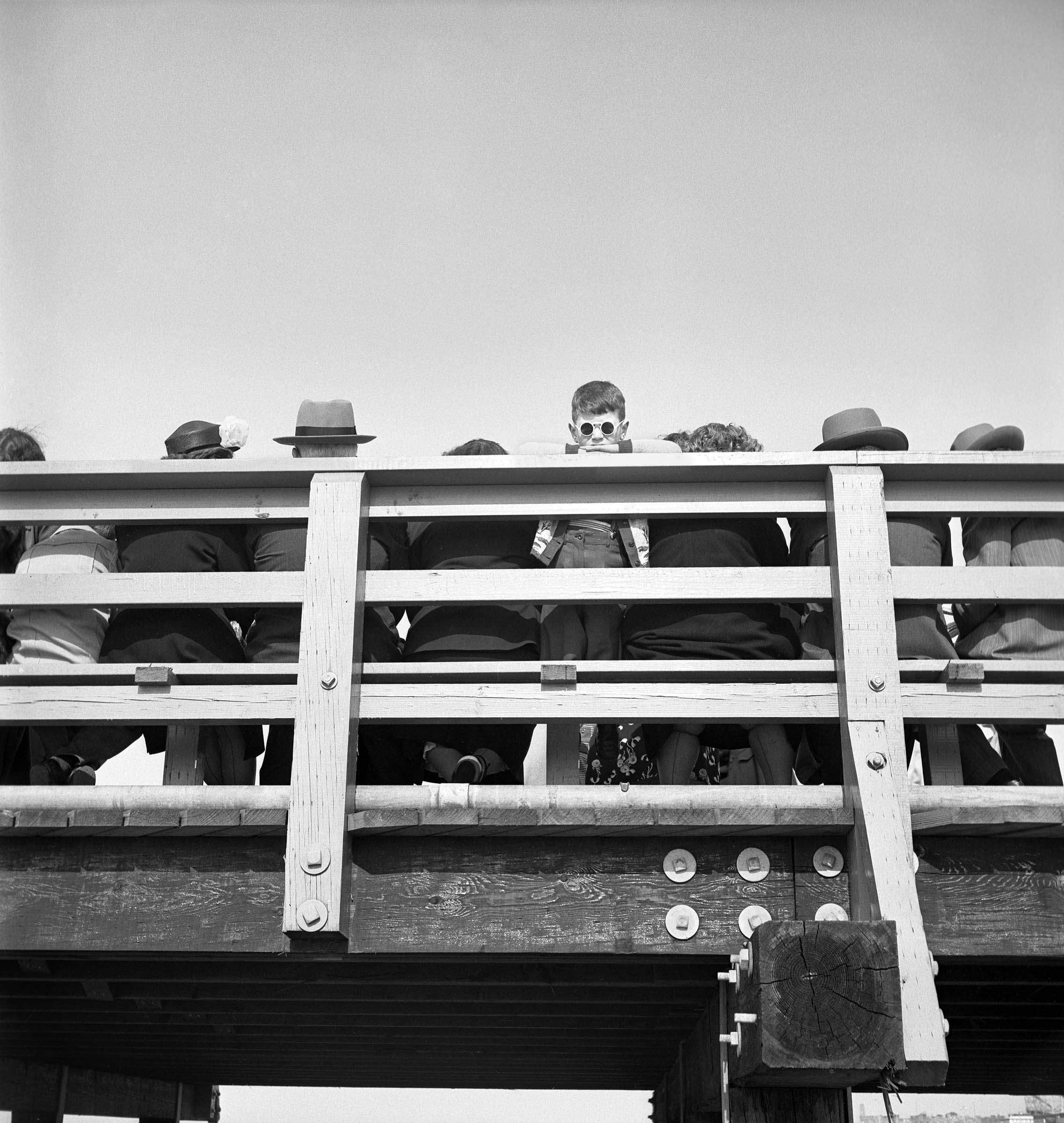
Boy With Sunglasses, 1950